
Plug-In Solar Is Coming to Australia: What Could It Mean for Electricians?
Australia’s solar industry may be on the verge of another major change, with energy ministers agreeing to explore pathways for the safe deployment of plug-in solar and battery systems across the country.
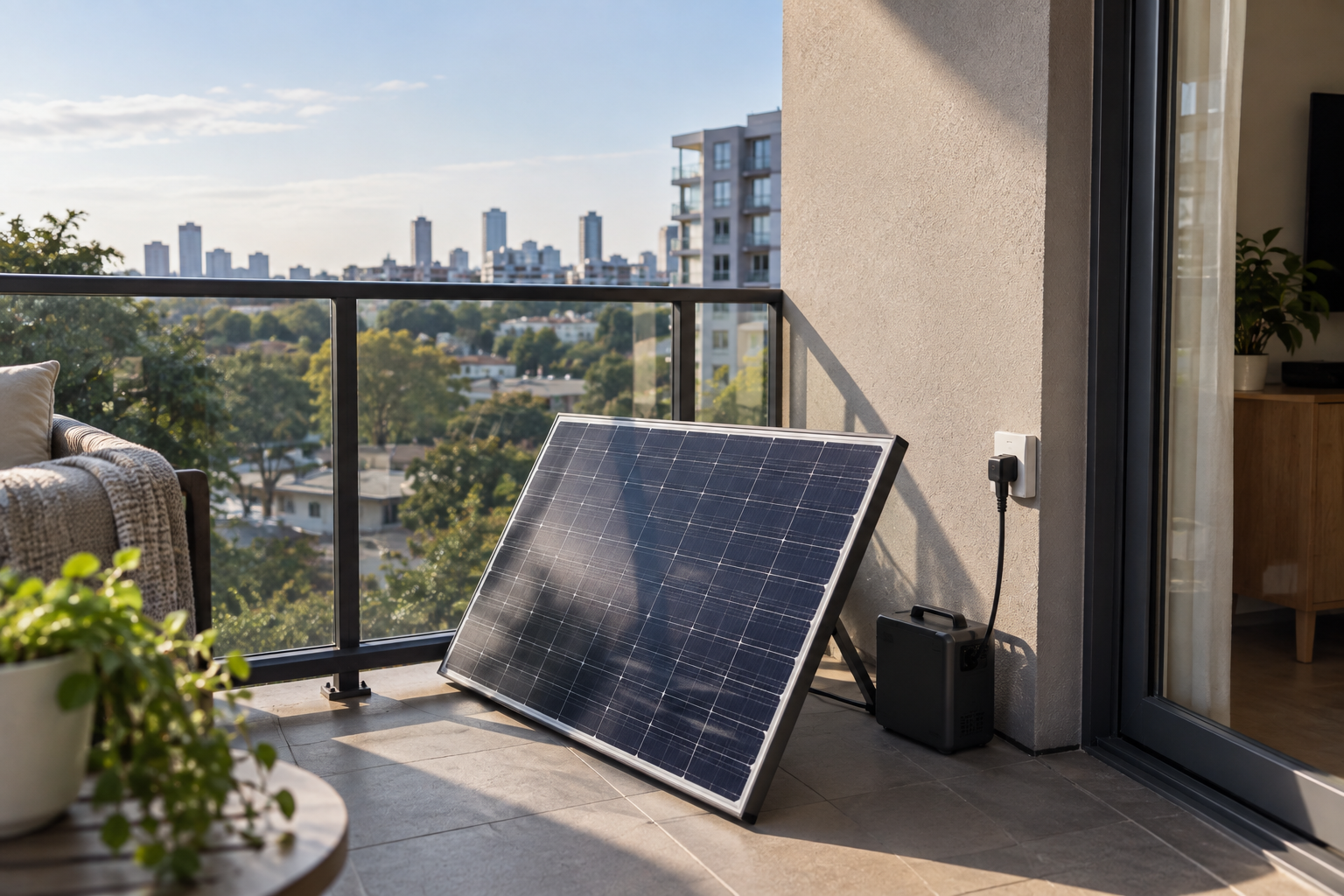
Often referred to as “balcony solar”, plug-in systems could provide a new way for renters and apartment residents to access solar energy without needing a traditional rooftop installation.
The development could open the door to solar for millions of Australians who have previously been unable to install a conventional system. It also raises an important question for the electrical industry: what will the growing use of smaller, consumer energy systems mean for electricians?
What is plug-in solar?
Unlike traditional rooftop solar, plug-in solar systems are designed to be connected to an existing electrical outlet rather than requiring a conventional fixed electrical installation.
These systems can typically consist of a small number of solar panels and an inverter, with the generated electricity being used within the home.
Similar systems are already being used overseas, including in Germany and the United Kingdom. Australia has previously restricted their use because of concerns around electrical safety, grid connection and compliance.
Energy ministers are now looking at how these systems could potentially be deployed safely in Australia. The Australian Government says the work will consider both plug-in solar and plug-in batteries.
Why is this happening now?
The move comes as Australia’s energy system continues to rapidly change.
Solar PV, home batteries, electric vehicles and other consumer energy resources are becoming an increasingly important part of the electricity system. The Australian Government has already introduced new requirements aimed at ensuring these technologies can communicate and operate effectively with different systems, manufacturers and energy providers.
At the same time, the federal Cheaper Home Batteries Program has accelerated household battery uptake, with more than 530,000 batteries installed since July 2025 according to recent reporting.
Plug-in solar and batteries could be the next step in making these technologies accessible to households that cannot install traditional rooftop systems.
What could this mean for electricians?
While plug-in systems may appear relatively simple, their widespread adoption could introduce a range of new considerations for the electrical industry.
Safety will be one of the biggest issues.
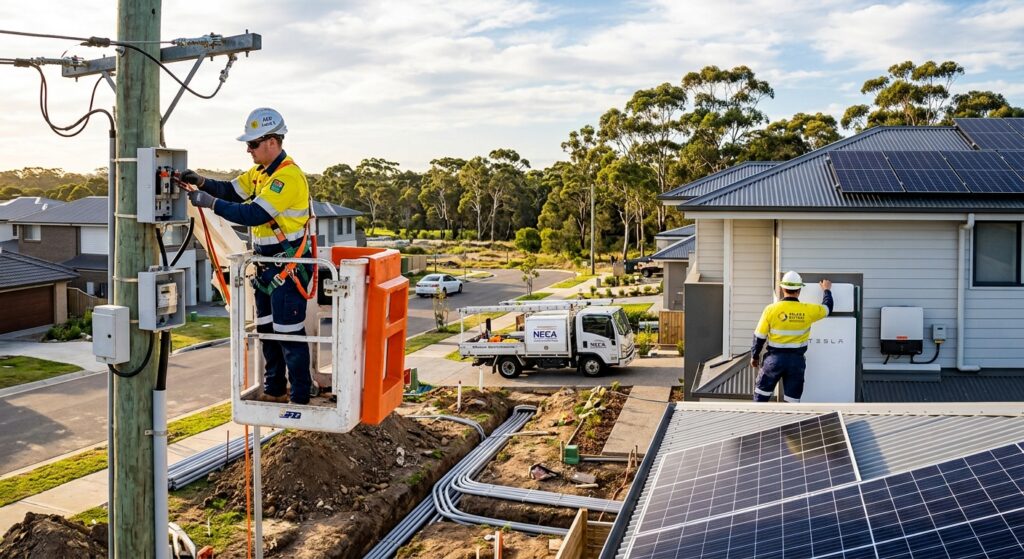
Electricians may increasingly need to understand how these systems interact with existing wiring, protection devices, inverters, switchboards and the electricity grid.
There will also be questions around installation environments. For example, balcony installations could involve apartment buildings, shared infrastructure, landlords, strata corporations and restrictions around building modifications.
The challenge will be finding the right balance between making solar more accessible while ensuring that products are installed and operated safely.
A changing skills landscape
The development is another example of how quickly the role of the electrical professional is evolving.
Electricians are already working with technologies that would have been uncommon in many parts of the industry only a few years ago. Solar PV, battery energy storage systems, EV charging equipment, smart energy management and other emerging technologies are creating demand for new knowledge and skills.
The Australian Government’s new Consumer Energy National Technical Regulatory Framework, endorsed on 11 September 2026, is intended to establish common technical rules for consumer energy resources such as battery and rooftop PV inverters and EV supply equipment. The framework also provides for accredited installers to demonstrate the required skills, knowledge and capabilities.
For electricians, that means keeping up with changes to technology, standards and regulatory requirements will be increasingly important.
Training has a role to play
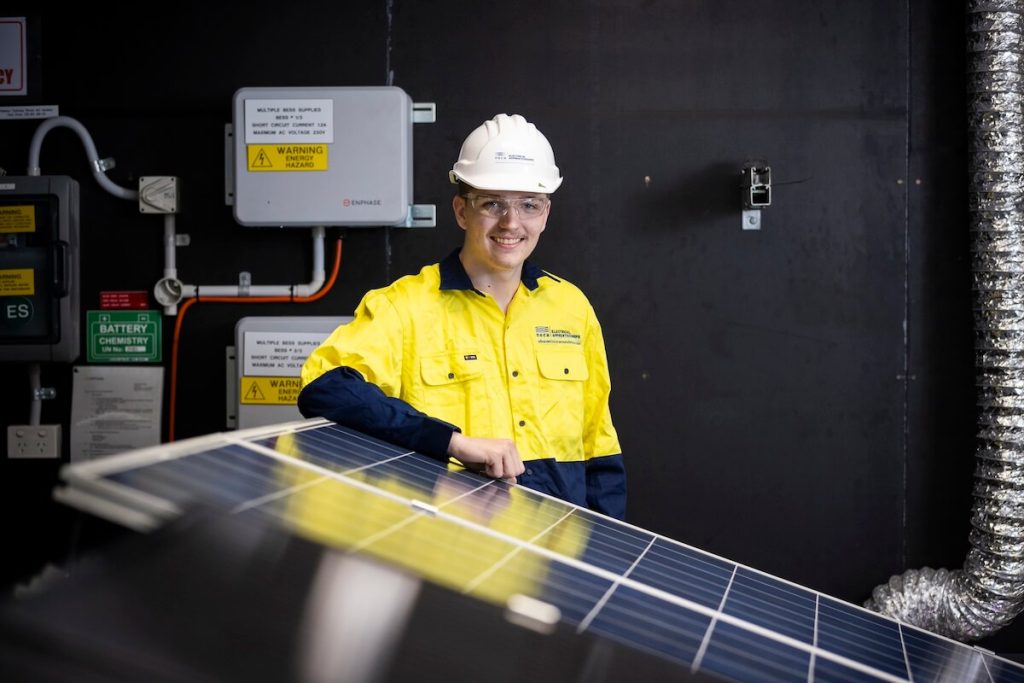
As the electrical industry moves further into renewable energy and electrification, ongoing training will become an increasingly important part of staying current.
For training organisations such as NECA Training, developments like plug-in solar and battery technology highlight why electrical professionals need opportunities to build their skills alongside changes in the industry.
NECA Training provides electrical training designed to support electricians and industry professionals as technology, standards and workplace requirements evolve.
Whether plug-in solar ultimately becomes widely available across Australia remains to be seen. Energy ministers have agreed to investigate pathways for its safe deployment, with advocates calling for a clearer timeline for implementation.
What is clear, however, is that Australia’s energy landscape is changing rapidly.
From rooftop solar and battery storage to EV charging and emerging consumer energy technologies, electricians will increasingly find themselves at the centre of Australia’s transition to a more electrified energy system.
The technology may be changing — but the need for skilled, knowledgeable and safety-focused electrical professionals isn’t going away.